



The Sunshine Vitamin
Unlocking the Secrets of Vitamin D
- Written by Lynae, Owner of Healthy Living with Lynae, NNCP, CHN, CHC
What is Vitamin D and Why is it Important
Vitamin D is a fat-soluble vitamin. But it isn’t just a vitamin, it acts more like a hormone. Your body can produce it when your skin is exposed to sunlight, which is why it’s often referred to as the “Sunshine Vitamin”.
Key Benefits to Vitamin D include:
- It helps your body absorb calcium and phosphorus, which are essential for strong bones and teeth.
- It boosts your immune response and helps reduce the risk of infections.
- Low levels of Vitamin D are associated with depression and mood disturbances.
- It plays a role in brain function.
- It is vital for muscle strength and function.
- May support cardiovascular health.
Types of Vitamin D
Vitamin D2 – found in some plants & fortified foods.
Vitamin D3 – produced in the skin from sunlight & found in animal-based foods
How do I know if my Vitamin D levels are Optimal
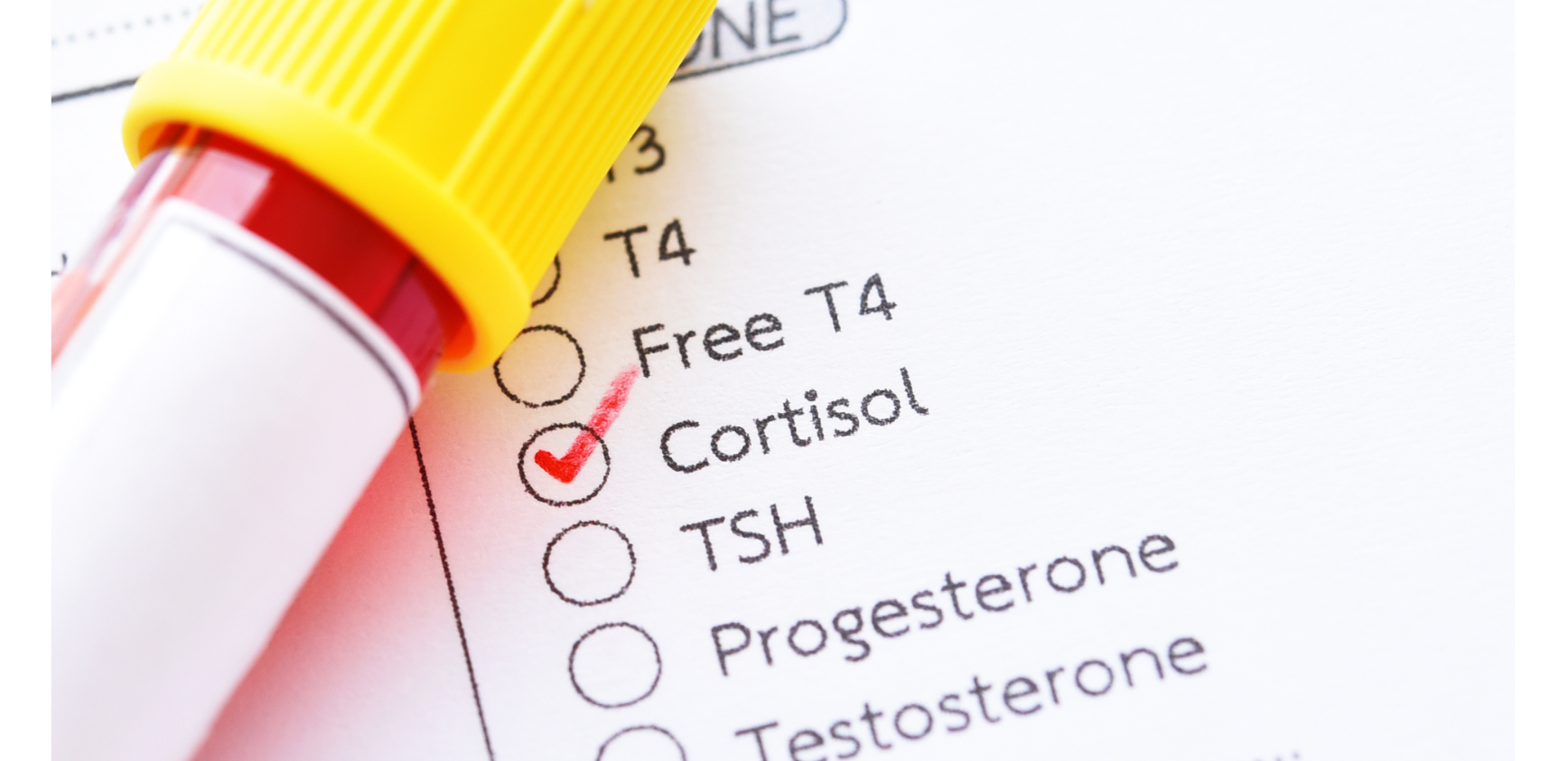
A simple blood test can determine if your Vitamin D levels are Low. If you suspect a deficiency, it is important to speak with your healthcare professional.
Common Signs and Symptoms of Vitamin D Deficiency
Fatigue, muscle weakness, bone pain, frequent illness or infections, mood changes, hormonal imbalances (Vit D deficiency in women can lead to irregular menstrual cycles), slow wound healing, hair loss or thinning. Also deficiency in Vitamin D can increase your risk of respiratory issues and chronic diseases.
Vitamin D deficiency is a common concern worldwide. Low Vitamin D levels can vary based on geographical location, age, lifestyle, and other factors. Adequate Vitamin D levels are vital for optimal health.
So What About in Canada?
Vitamin D deficiency is a public concern in Canada, primarily due to limited sunlight exposure, during the winter months. Approx. 30-50 % of Canadians are estimated to have inadequate levels. The prevalence of deficiency is higher in the winter. In Canada, Southern BC receives the most sunshine, followed by the Prairies. However, the Coastal Regions of BC have some of the lowest levels of sunshine. Health Canada recommends that Canadians consider supplementation.
Supplementation
Supplementation Health Canada recommends a daily intake of 600 IU (15mcg) of Vitamin D for most individuals. The tolerable upper intake level is 4000 IU (100 mcg) per day for adults.
Vitamin D3 is more effective at raising blood levels of Vitamin D, and will be the supplement most recommended!
Liquid Form vs Capsule Form
Both have their advantages and drawbacks. Here are some considerations to help you determine which may be better for you.
Liquid Vitamin D
Advantages: Faster absorption, easier to swallow, adjustable dosage.
Disadvantages: Taste – some can have unpleasant taste. Storage – some require specific storage conditions.
Capsule Vitamin D
Advantages: Convenience, no taste issues, longer shelf life.
Disadvantages: Slower absorption, difficult to adjust dosage.
Do I still need to Supplement with Vitamin D in the Summer?
If you are getting adequate sun exposure you may produce enough during the summer months. However, depending on your location, skin type, use of sunscreen, lifestyle factors, or health conditions, or a history of low Vitamin D, you may still wish to supplement during the summer. Always consult a professional if you are unsure.
Using sunscreen is essential for protecting your skin from harmful UV radiation, which can lead to skin damage, premature aging, and an increased risk of skin cancer. However, it is true that sunscreen can block some UV rays, which are necessary for your body to produce Vitamin D.
Key points to consider:
- Moderation is Key
- Short exposure (10-30 minutes) without sunscreen can help synthesize Vitamin D while still protecting your skin when you are out longer.
- Balanced Approach
- Balance sun exposure by using sunscreen after short periods of unprotected sun exposure.
While sunscreen is crucial for skin health, a measured approach to sun exposure can help maintain adequate Vitamin D levels.
Healthy Living
with Lynae
Natural Nutrition Clinical Practitioner (NNCP), Certified Holistic Nutritionist (CHN),
Certified Nutritional Counsellor (CHC)
Cell: 778.822.09920
www.healthylivingwithlynae.com