Smart Grilling
How to BBQ Without Compromising Nutrition
- Written by Lynae, Owner of Healthy Living with Lynae, NNCP, CHN, CHC
NUTRIITION BBQ season is a wonderful opportunity to gather with friends and family, enjoying delicious food and great company. However, many people associate BBQs with unhealthy, calorie-laden dishes.
TIPS to prioritize your nutrition while still enjoying a flavorful BBQ:
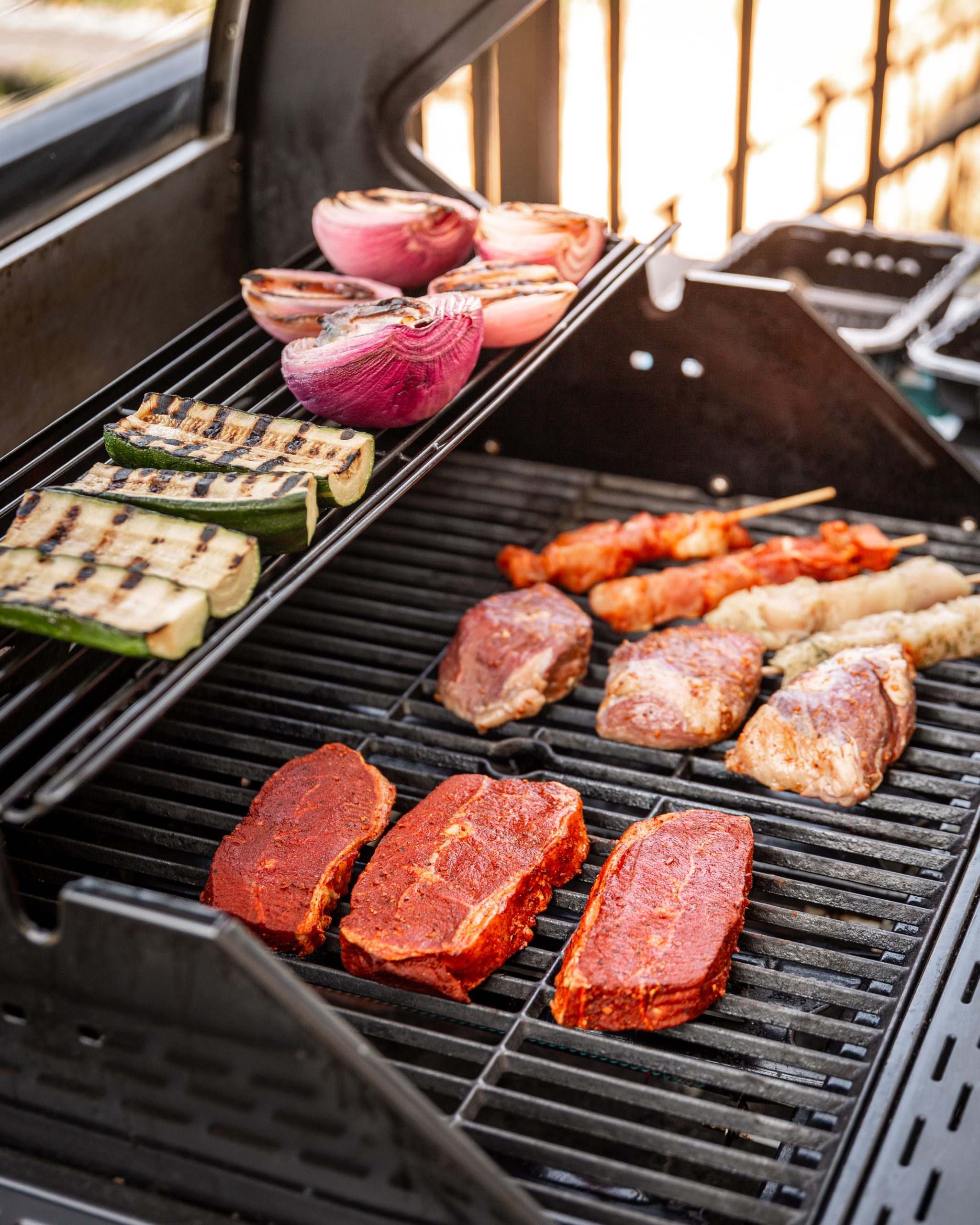
Choose Lean Proteins: Opt for lean meats like chicken breast, turkey, and fish. These options provide high-quality protein without excessive fat. If you’re a beef lover, choose cuts that are labeled lean, such as sirloin or flank steak. For plant-based options, consider grilling marinated tofu or veggie burgers made from black beans or lentils.
Load Up on Veggies: Transform your BBQ into a colorful feast by including a variety of grilled vegetables. Bell peppers, zucchini, asparagus, corn, and mushrooms are great choices. You can even create veggie skewers, which are fun to eat and packed with nutrients.
Make Healthier Sauces and Marinades: Many BBQ sauces are high in sugar and preservatives. Instead, create your own marinades using olive oil, vinegar, citrus juices, and herbs. These homemade options are not only healthier but also allow you to control the flavors and ingredients.
Embrace Whole Grains: Swap out white bread and buns for whole grain options. Whole grains contain more fiber, which aids digestion and enhances feelings of fullness. Even consider using lettuce wraps.
Limit High-Calorie Sides: Sides can sneak in a lot of extra calories. Instead of traditional creamy potato salads or macaroni and cheese, opt for light and fresh options like a quinoa salad, coleslaw made with yogurt dressing, or a mixed green salad. These are lower calories options packed with nutrients.
Choose Smart Drinks: Choose water or unsweetened drinks rather than sugary beverages and alcoholic drinks. If you want to enjoy a cocktail, try mixing spirits with soda water and fresh fruit for flavor without the extra calories.
Plan for Dessert: Instead of heavy cakes or pies, consider healthier options like grilled fruits (such as peaches or pineapple) with a drizzle of honey or a serving of yogurt with fresh berries. These alternatives satisfy your sweet tooth without compromising your nutrition goals.

FOODS TO AVOID (or have in moderation)
Foods High in Saturated Fats (example: fatty cuts of meat, such as ribs or sausages).
BBQ Sauces They often contain high levels of added sugars and high fructose corn syrup, contributing excess calories and unhealthy sugar intake.
Processed Meats Items like hot dogs and processed sausages can contain preservatives, fillers, and high sodium levels.
Foods High in Sugar (example: sugary drinks, desserts, sauces, condiments).
Fried Foods and Sides with Low Nutritional Value (example onion rings, fries, creamy potato salad, coleslaw).
The type of fuel used—gas, charcoal, or propane— can affect not only the flavor and convenience but also some health aspects.
Gas Grills Health Impact: Gas grills are generally considered healthier because they produce less smoke and fewer harmful byproducts compared to charcoal. The combustion of propane or natural gas leads to fewer carcinogenic compounds. Because they heat up quickly and allow for precise temperature control, it can help prevent overcooking and charred food.
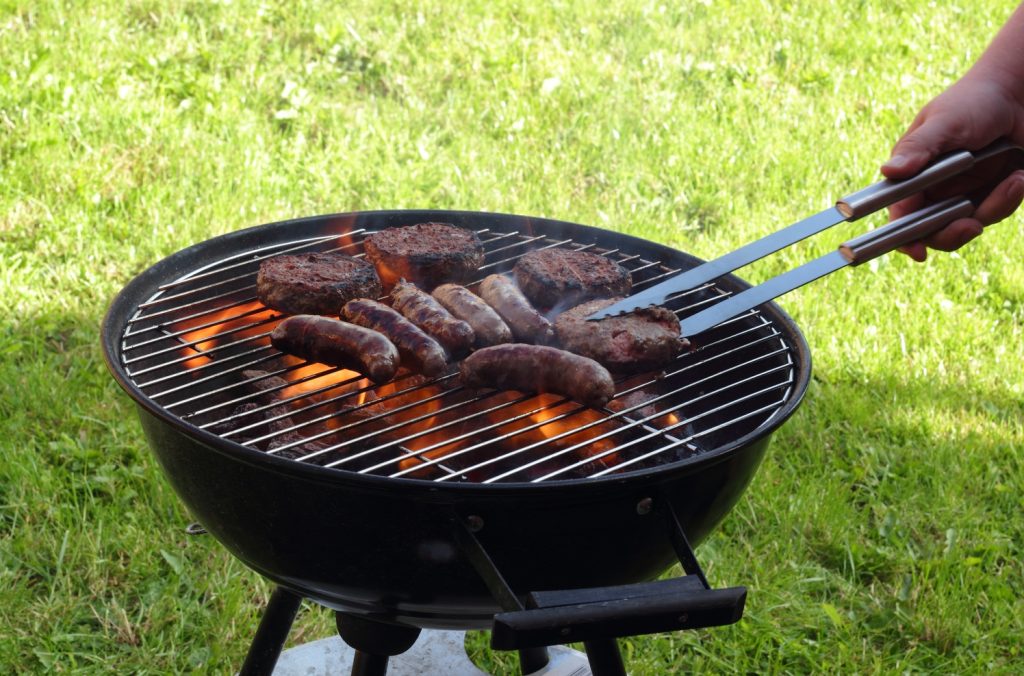
Charcoal Grills Health Impact: While charcoal can impart a distinct flavor, it can also produce polycyclic aromatic hydrocarbons (PAHs) and heterocyclic amines (HCAs) when meat is cooked at high temperatures or charred. Charcoal produces more smoke, which may be a concern for respiratory health, especially in enclosed spaces.
Propane Grills Health Impact: Similar to gas grills, propane produces fewer carcinogens and hazardous byproducts compared to charcoal grills. Propane burns cleanly with minimal smoke.
Healthy BBQ and Grilling Recipes Clickable Links
Eating Well
Taste of Home
Delish
BBQing can affect the Nutritional Value in Foods – What to Know and Tips to Maximize Nutrients
Nutrient Loss in Vegetables High heat can reduce water-soluble vitamins and certain antioxidants. However, grilling can also increase the availability of some antioxidants, like lycopene in tomatoes or beta-carotene in carrots. Veggies do not form harmful HCAs or PAHs like meats do.
TIP: Use foil or grill baskets to prevent direct flame.
Impact on Proteins
Charring or overcooking meats can create harmful compounds: HCAs – formed when meat is cooked at very high temperatures. PAHs — created when fat drips onto flames and smoke coats the food. These compounds have been linked to inflammation and potential health risks if consumed in large amounts over time. TIP: Marinate Your Meat: Marinade with herbs, lemon, vinegar, or olive oil can reduce HCA formation by up to 90%. Garlic, rosemary, and thyme are especially protective. Control the Heat: Cook over medium, indirect heat instead of blasting flames. Flip meats frequently to avoid charring. Pre-Cook Larger Cuts: Partially cook chicken or thicker meats in the oven first to reduce grill time. Less time on high heat means fewer harmful compounds. Trim the Fat: Less fat = fewer flare-ups and smoke, reducing PAH exposure. Cut Off Charred Bits: Remove blackened or overly charred portions before eating.
Have a fun and healthy Summer!
Healthy Living
with Lynae
Natural Nutrition Clinical Practitioner (NNCP), Certified Holistic Nutritionist (CHN),
Certified Nutritional Counsellor (CHC)
Cell: 778.822.09920
www.healthylivingwithlynae.com